
Military deployment moves service members from their home station to an operational area to support a mission, often overseas and often on short notice. For you and your family, it is one of the biggest disruptions military life brings.
A deployment can mean combat operations, humanitarian relief, peacekeeping, or training alongside allied forces. The mission type shapes how long you are gone and how much contact you have with home.
Preparing early turns a stressful event into a manageable one. Legal, financial, and family plans made before orders arrive give you room to focus on the mission.
This guide walks you through each stage, the common timelines by branch, and the resources that keep you steady from start to finish.
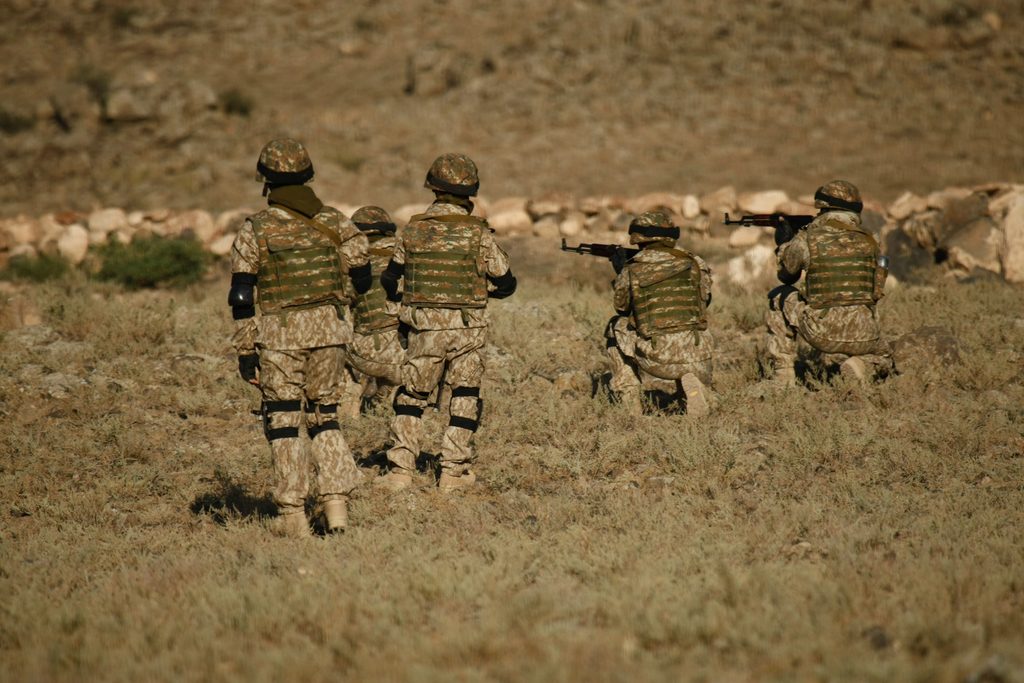
The Five Phases of Military Deployment
The military breaks every deployment into a cycle, often called the emotional cycle of deployment. Understanding each phase helps you anticipate challenges before they hit.
Pre-deployment starts when you receive orders and ends when you depart. Expect medical screenings, weapons qualifications, briefings, and a long checklist of personal paperwork.
Use this window to update your will, assign a power of attorney, and review your SGLI beneficiaries. Your installation’s legal office can often prepare these documents for free.
The deployment phase covers roughly the first month after you leave, a period of adjustment for everyone. Families often feel a mix of sadness, disorientation, and relief once the waiting ends.
Sustainment is the long middle stretch, when new routines take hold at home and in theater. Regular communication and strong support networks carry you through this phase.
Redeployment is the final month before your return, when excitement mixes with anxiety. Units run reintegration briefings to prepare you for the shift back to home life.
Post-deployment begins when you arrive home and can last several months. Roles, routines, and relationships all need time to readjust.
Give yourself patience during reintegration, and use the post-deployment health assessment to flag any physical or mental health concerns. Catching issues early protects your long-term health and any future VA claims.
How Long Does a Military Deployment Last?
Military deployment length depends on your branch, your unit, and the mission. Most deployments today run between four and twelve months.
Army deployments typically last around nine months, while Marine Corps deployments often run about seven months. Navy sailors on ship deployments usually spend six to nine months at sea.
Air Force deployments tend to be shorter, commonly four to six months, though some specialties stay longer. Extensions happen when mission needs change, so build flexibility into your plans.
Dwell time, the period at home between deployments, gives you time to recover and retrain. Each branch sets its own goals for how much dwell time you receive.
How to Prepare Your Family for Deployment
A strong family plan starts with open conversations about what the separation will look like. Share what you can about timelines and set realistic expectations for contact.
Organize your finances before you leave, including automatic bill payments and access to joint accounts. The Servicemembers Civil Relief Act can also cap interest rates at 6 percent on debt you took on before active duty.
Connect your family with support resources such as your unit’s family readiness group and Military OneSource. These services offer counseling, childcare help, and practical guidance around the clock.
With solid preparation, military deployment becomes a chapter you manage rather than a crisis you react to. Start your checklist the day your orders arrive.